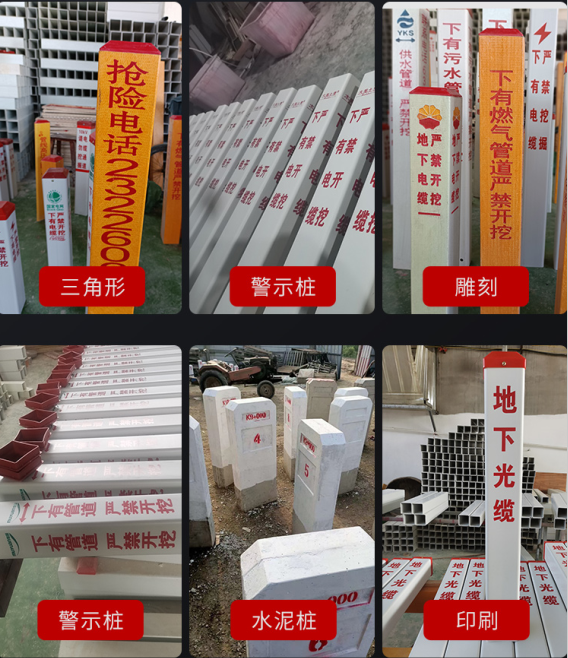
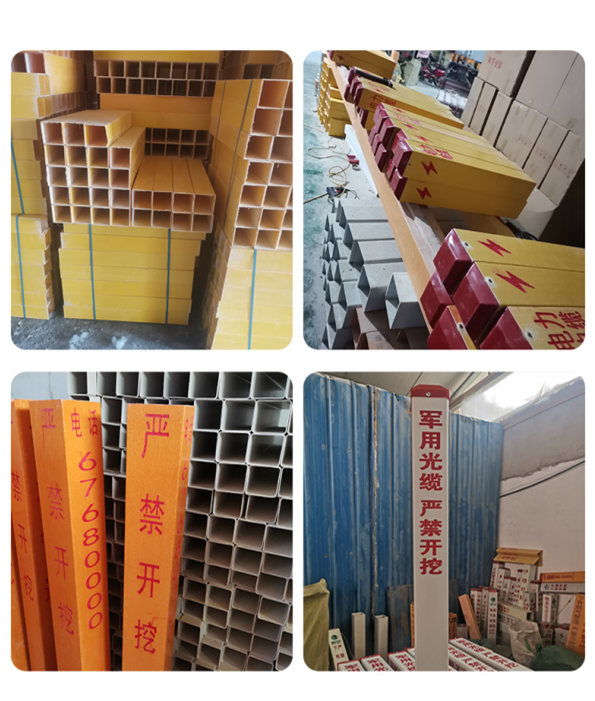
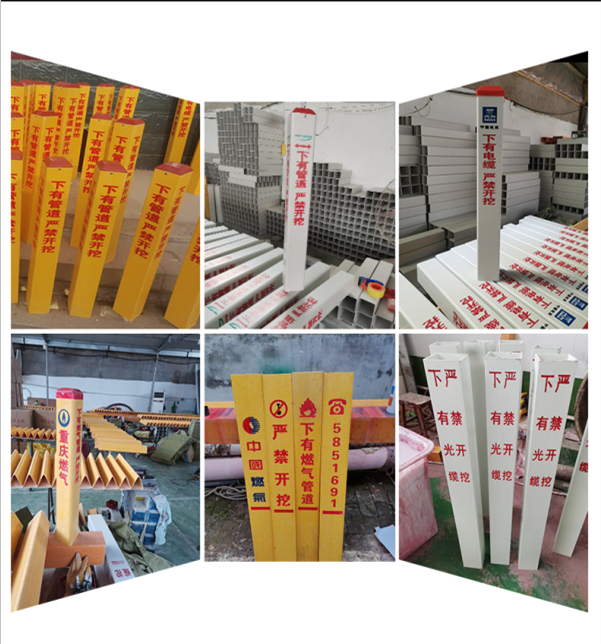
Although PE pipes have many advantages, their greatest weaknesses are low strength, poor light resistance, easy aging, and difficulty in detecting location, direction, and depth.
In the past municipal construction, due to the unclear exact location of the pipeline, it is common for the pipeline to be cut and leaked by construction machinery, resulting in gas leakage and explosion accidents. Therefore, it is necessary to explore the location of underground PE pipelines.
Due to the unique technical performance of PE pipes and the incomparable installation method of other pipes, this material is widely used in the field of urban gas in the national gas industry, becoming the most ideal material to replace buried steel pipes and cast iron pipes for urban gas, especially for gas transmission and tap water pipelines. On the other hand, due to the PE pipe
Due to the particularity of materials, PE gas pipelines also have particularity in installation, operation management, detection and positioning. PE pipes are made of inert material, not
After conducting electricity and not conducting magnetism, and being buried underground, there is currently no better method to directly detect the spatial location of PE pipes on the ground.
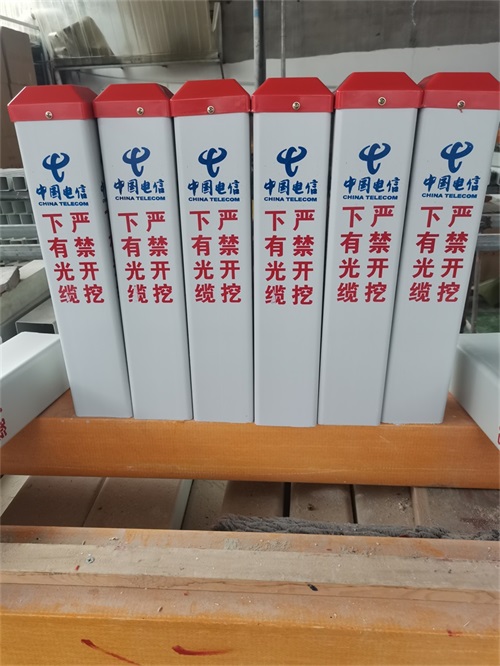
In order to solve the problem of detecting the location and depth of PE pipelines on the ground after they are buried, many methods have been devised. In contrast, the wire tracing technology is the most economical and effective method.
The so-called wire tracer wire technology refers to a copper wire (referred to as tracer wire) that is buried with the PE pipe during the laying and construction of PE pipes. It is used to detect the position and depth of PE pipes in the future. The tracer wire method is currently widely used at home and abroad. In the construction of buried pipelines, the selection of construction methods and detection methods is very important in order to ensure that the tracer wire can play a good tracking role in the future.


 Binzhou Hengtong Electric Power Equipment Co., Ltd.

 Phone: +86 183-6493-6808
 Address: No. 112, Qianqiao Village, Haifeng Subdistrict, Wudi County, Binzhou, Shandong, China
 Binzhou Hengtong Electric Power Equipment Co., Ltd.
 ICP record: Shandong ICP 2022018583-1
Shandong Public Security Record 37162302000525