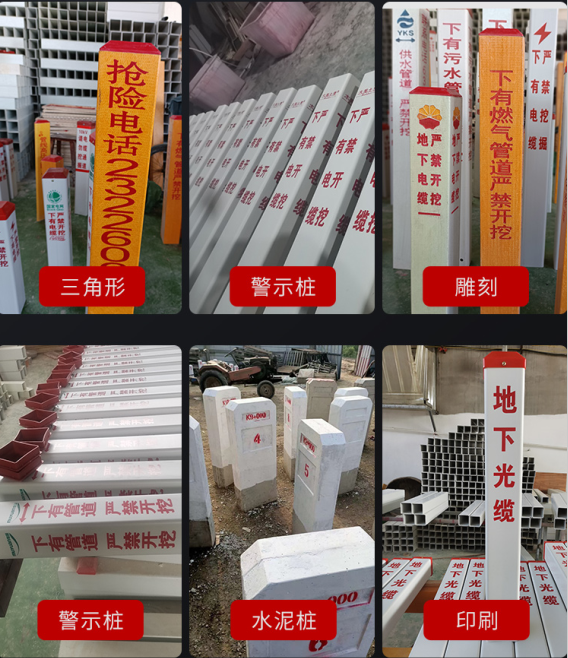
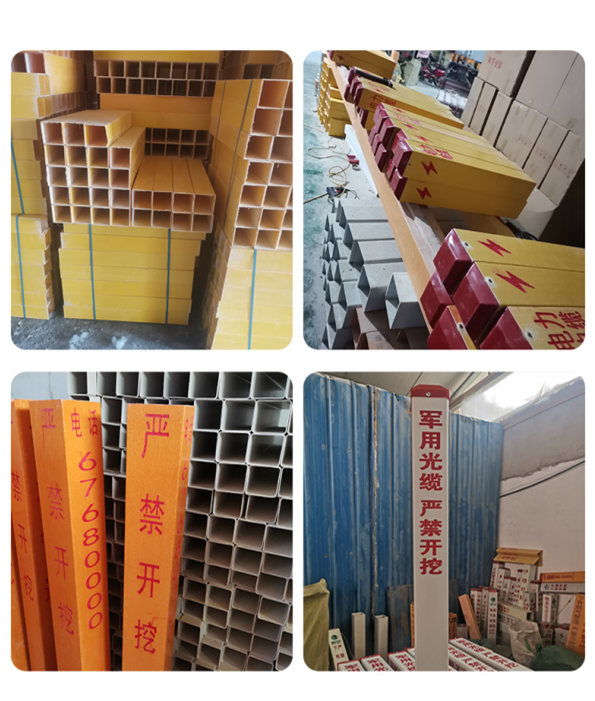
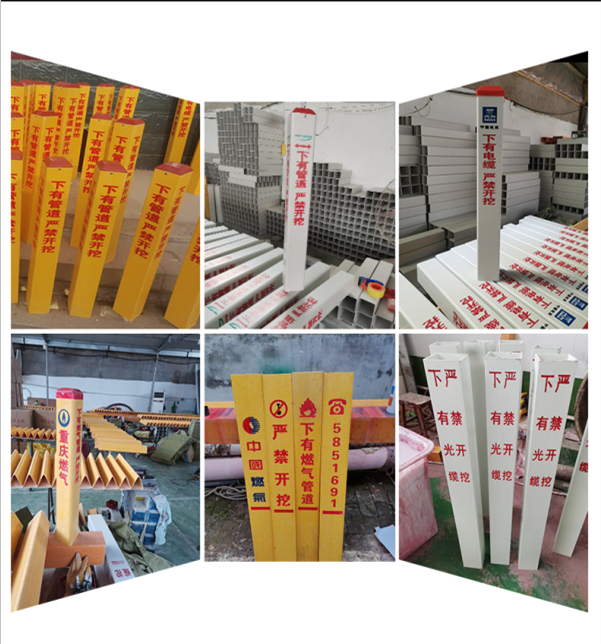
As the main equipment of power transmission, once the cable fails, it will lead to the power interruption of the power network, which will seriously affect the residents' life and enterprise production. Moreover, the traditional cable fault detection method is time-consuming and laborious. The method of buried detection greatly improves the detection of cable faults, so it has been widely used.
Follow the basic test steps. First of all, we should understand the causes of the fault and the basic situation of the cable, such as whether the fault is caused by operation or pre-test, whether it is a new cable or a cable that has been running for a long time, the approximate length of the cable, whether there is a joint in the middle of the cable, whether the cable has failed before, whether the cable is directly buried or laid in the cable trench, and the type of cable, etc. Secondly, it must be clear that both ends of the cable must be disconnected from other lines to ensure that the cable has no electricity and the surrounding environment of the cable is in a safe state.
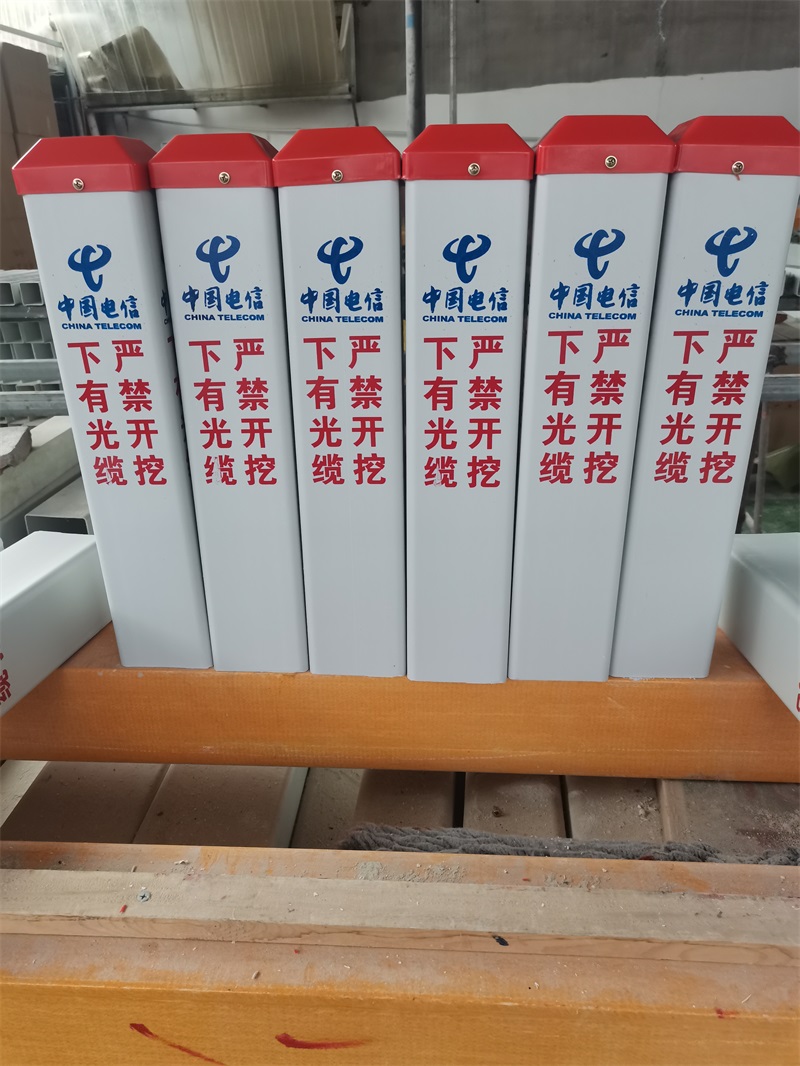
In addition, before each connection with the cable, connect each phase line of the cable to the ground with a short line for discharge. When discharging, one end of the short line must be grounded first, and the other end must be connected to each phase line of the cable for discharge. For other electrical appliances, such as capacitors, test transformers, etc., pay attention to discharge before wiring and removing the connecting wire.
When the equipment tests the cable, it must first use the low-voltage pulse function of the flash tester to test the full length of each phase of the cable respectively to see whether the test waveform is consistent when the three-phase pair armor is tested. For most high resistance faults, the test waveforms of each phase are consistent. For low resistance fault and high resistance fault with open phase fault, the test waveform of fault phase is inconsistent with the total length of the tested cable, so the fault distance can be directly measured with low-voltage pulse.
The safety problems of fault testing are divided into the safety of testers and the safety of equipment. The safety of testers should pay attention to the grounding and discharge of the instrument. The safety of equipment is mainly the correct wiring, which can be understood and operated according to the relevant instructions.
The above is all about the problems and precautions introduced to you today. I hope it can help you. If you want to know more, you can contact us by phone or follow our website http://webtest2.daoshangbao.cn , our staff will contact you in time.


 Binzhou Hengtong Electric Power Equipment Co., Ltd.

 Phone: +86 183-6493-6808
 Address: No. 112, Qianqiao Village, Haifeng Subdistrict, Wudi County, Binzhou, Shandong, China
 Binzhou Hengtong Electric Power Equipment Co., Ltd.
 ICP record: Shandong ICP 2022018583-1
Shandong Public Security Record 37162302000525