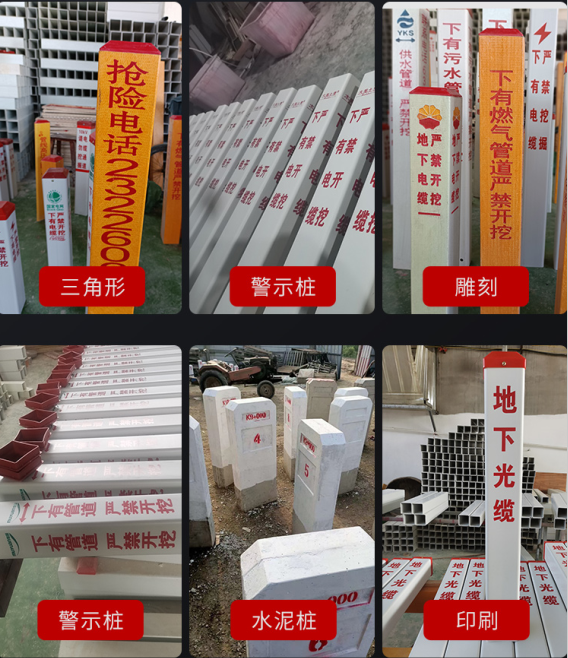
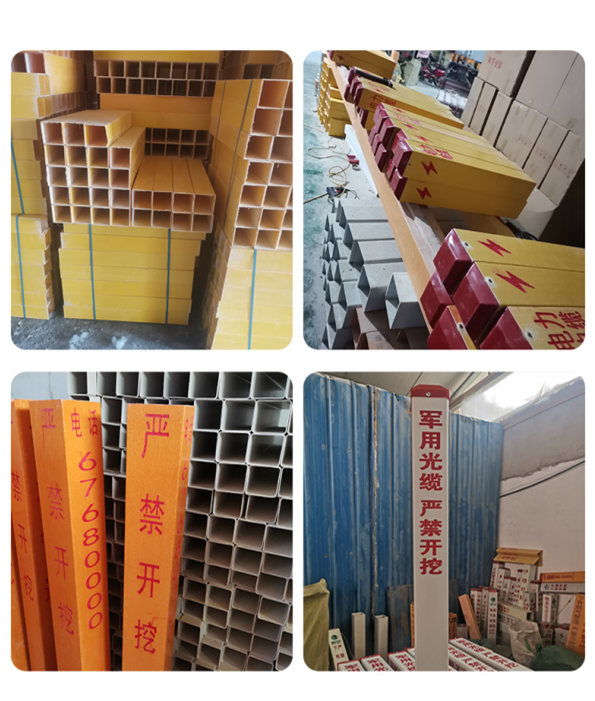
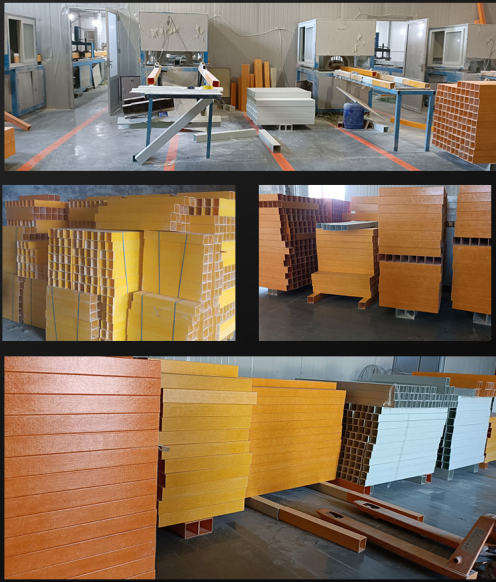
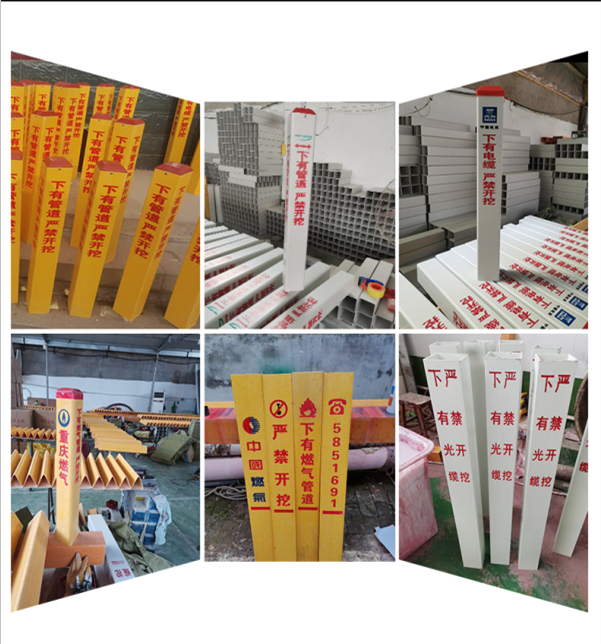
Precautions for marker posts: Construction workers should wear safety helmets and other labor protection equipment; Set up various eye-catching warning signs within the construction site; We should strengthen on-site safety management and strengthen safety education for employees. The waste soil and materials should be stacked in a neat and orderly manner, and vegetation protection and measures should be taken if necessary to prevent environmental and agricultural pollution caused by soil erosion. After excavation in the soil area, the site is leveled, the slope is trimmed, and vegetation protection is carried out. During construction, measures should be taken to avoid and reduce soil erosion. When soil erosion occurs or causes pollution to farmland and the environment, it should be promptly addressed The temporary construction land will be restored after the land acquisition, meeting the requirements of the contract signed with the lessor and satisfying the lessor. After the completion of the project, remove all debris that occupies the site. Materials left over during construction should be removed.
Basic requirements for the installation of oil and gas pipeline line markings
When two pipelines with the same medium are laid in the same trench, the line markings should be merged and placed in the middle of the two pipelines; When three pipelines are laid in the same trench, route markings should be set separately.
When two pipelines with different media are laid in the same trench, ground markings for the lines should be set separately.
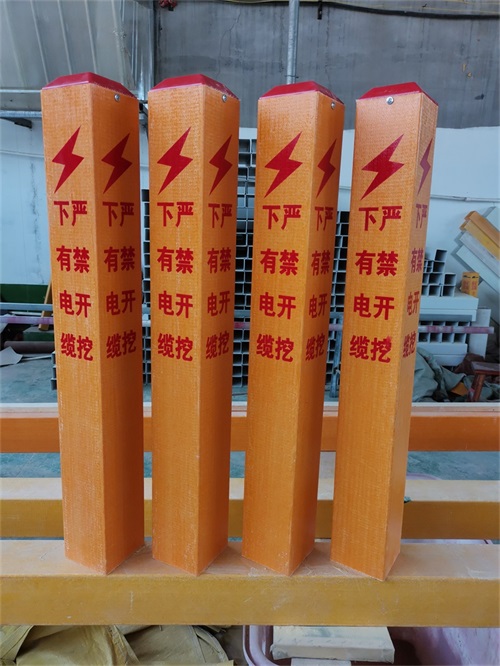
The line markings of parallel pipelines should be set separately, and the line markings of each pipeline should be clear, eye-catching, and easy to distinguish.
Except for corner stakes, when multiple line markers need to be set at the same location, only one line marker should be set in the order of mileage stakes/test stakes, marker posts, communication markers, and boundary markers.
Except for two pipelines with the same medium laid in the same trench, line markings should be set above the centerline of the pipeline, and the position can be adjusted longitudinally to meet visibility requirements.
In principle, route markings should be set up on open wasteland such as roadsides, ridges, and embankments to reduce the impact on land use.
The front of the line identification piles without clear instructions should face the direction of oil (gas) coming in.
When the buried depth of the pipeline is shallow and the route identification has an impact on the pipeline, the depth of the buried part of the route identification can be appropriately reduced, but should not be less than 0.3 meters, and the height above the ground remains unchanged.


 Binzhou Hengtong Electric Power Equipment Co., Ltd.

 Phone: +86 183-6493-6808
 Address: No. 112, Qianqiao Village, Haifeng Subdistrict, Wudi County, Binzhou, Shandong, China
 Binzhou Hengtong Electric Power Equipment Co., Ltd.
 ICP record: Shandong ICP 2022018583-1
Shandong Public Security Record 37162302000525